Back Pain
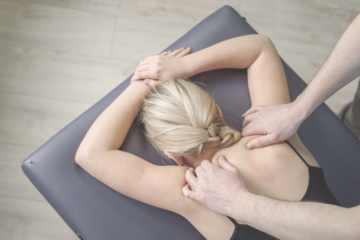
Manual Therapy Doesn’t “Realign” Anything: Here’s What It Actually Does
Manual therapy can reduce pain and muscle guarding, but it does not permanently realign the spine or hips, according to current research.
Manual therapy can reduce pain and muscle guarding, but it does not permanently realign the spine or hips, according to current research.

SCOLIOSIS PT JAX · JACKSONVILLE & PONTE VEDRA BEACH, FL What Is the Onero Program? Why It’s Different from Regular Exercise for Osteoporosis By Donné Ordile, PT | Scoliosis PT Jax | Jacksonville & Ponte Vedra, FL Not all exercise programs actually build bone. Here’s what will. If you’ve been Read more…
Lower Back Pain: Insights from O’Sullivan’s 2005 Study When I first began researching chronic lower back pain (CLBP), I was struck by the scope of the problem. At first, I hadn’t realized that CLBP is actually one of the leading causes of disability worldwide. In fact, Allegri’s 2016 study Mechanisms Read more…

What Is Pilates? The benefits of Pilates start with its versatility as an exercise you can perform on a mat or with specialized equipment. Pilates is low-impact and focuses on strengthening the core while working the entire body. One of the benefits of Pilates is that it builds strength, flexibility, Read more…
5 Best Pilates Exercises for Tennis Players Many people enjoy playing tennis both recreationally and professionally and although it is a really enjoyable sport, it’s important to take note that tennis is physically demanding. As a tennis player, you need exercises that focus on flexibility, cardiorespiratory endurance, general strength, and Read more…
How Pilates Can Help Treat Osteoporosis You’ve been diagnosed with osteoporosis, and you’re probably wondering what to do now to protect yourself. There are so many treatment options available and figuring out where to start can definitely feel overwhelming. One of the most important things you can do is staying Read more…
What is Pectus Excavatum? Pectus excavatum is a misshape of the chest wall that causes several ribs and the breastbone (sternum) to grow inward and form a depression in the chest. This depression gives the chest a “sunken chest” or “caved in chest” appearance. Pectus Excavatum occurs in males more Read more…