Lower Back Pain:
Insights from O’Sullivan’s 2005 Study

When I first began researching chronic lower back pain (CLBP), I was struck by the scope of the problem. At first, I hadn’t realized that CLBP is actually one of the leading causes of disability worldwide. In fact, Allegri’s 2016 study Mechanisms of Low Back Pain: A Guide for Diagnosis and Therapy shows that the number of people living with CLBP has more than doubled in just the past decade. As a result, it now affects adults of all ages and backgrounds. Moreover, the burden is enormous—not only because of healthcare costs but also because of lost productivity. Therefore, finding effective strategies for managing CLBP is more important than ever.
For people with scoliosis, the challenge grows even greater. Because the spine curves and rotates, low back pain can appear in unique ways that standard approaches may not fully address. Consequently, at ScoliosisPTJax, we emphasize personalized care that considers both the physical and emotional sides of pain. In addition, we often rely on O’Sullivan’s 2005 model for mechanical low back pain (MLBP). This model doesn’t just lump all back pain together. Instead, it breaks pain into specific categories based on how someone moves, then guides strategies that treat the whole person rather than only the symptoms.
In this blog, we’ll explore O’Sullivan’s classification system in more detail. We will also explain why it is especially relevant for scoliosis-related back pain. Finally, we’ll share how Pilates-based approaches can help manage pain more effectively and improve long-term function.
O'Sullivan's Classification System for Low Back Pain
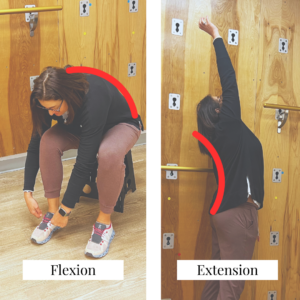
O’Sullivan’s (2005) study divides MLBP into groups to better match treatment to the problem. The groups are:
- Flexion-related dysfunction: Pain aggravated by forward bending.
- Extension-related dysfunction: Pain exacerbated by backward bending.
- Multidirectional movement control impairments: Pain from poor stability and control in various directions.
This system helps create customized exercises for each problem, rather than using a general treatment plan.
Key Concepts from O'Sullivan's Study
1. Core Stability Focus
O’Sullivan’s research emphasizes the critical role of core stability and motor control in managing low back pain. Core stability is more than just having strong surface muscles like the rectus abdominis, often called the “six-pack.” Instead, it requires the coordinated activation of deeper stabilizers—the transverse abdominis, multifidus, pelvic floor, and diaphragm. Together, these muscles create a strong foundation for movement and protect the spine from excessive stress.
Key Points
Superficial strength vs. deep stability
Building outer abdominal strength does not automatically lead to spinal stability. Deep core muscles must engage properly to keep the spine stable during movement. Without this engagement, inefficient patterns often develop, increasing the risk of strain and pain.Role of the transverse abdominis
This deep muscle functions like a natural corset. It stabilizes the spine by increasing intra-abdominal pressure and helps maintain a neutral spine during dynamic activities.Multifidus activation
The multifidus muscles provide segmental stability for individual vertebrae. By controlling small spinal motions, they prevent excessive movement at each segment and reduce mechanical stress!
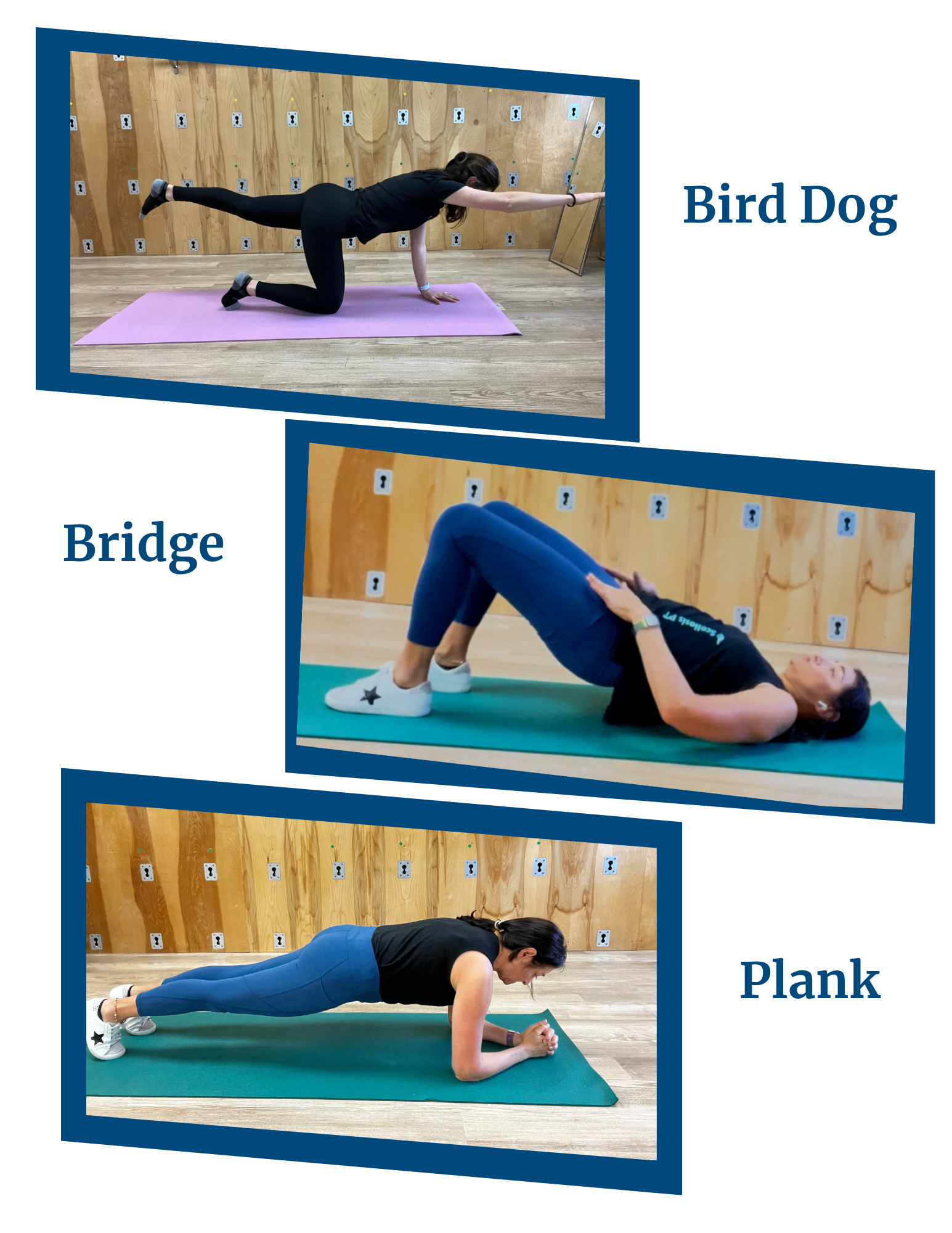
Exercises For Stability
- Bird-Dog:
- Position: Hands and knees.
- Action: Extend one arm and the opposite leg while keeping your torso stable. Avoid arching or rotating your back.
- Tip: Imagine a cup of hot coffee on your back; don’t spill it. Repeat 10x.
- Bridging:
- Position: Lie on your back with knees bent, feet flat on the floor, and a ball between your knees.
- Action: Squeeze your glutes and lift your hips toward the ceiling. Lower hips slowly, repeat 10x.
- Plank:
- Position: Forearms and toes, body in a straight line.
- Action: Keep hips level and engage your core. Avoid sagging or piking hips.
- Tip: Hold for 20-30 seconds, increasing as you build strength.
Why Deep Stabilizers Matter:
Focusing on these muscles redistributes loads more evenly across the spine, reducing reliance on superficial muscles and minimizing compensatory patterns that lead to chronic pain.
2. Biopsychosocial Model
This model acknowledges that LBP is influenced by physical, psychological, and social factors.
Psychological Factors:
- Fear-avoidance behaviors: Avoiding movement due to fear of pain, leading to deconditioning.
- Stress and anxiety: Amplify pain perception and increase muscle tension.
- Patient beliefs: Misunderstandings about pain can hinder recovery.
Social Factors:
- Support from family, friends, or coworkers influences coping strategies.
- Work or lifestyle demands may contribute to chronic stress or poor movement habits.
Clinician Focus:
- Educate Patients: Provide evidence-based explanations and reassure that movement is safe.
- Address Fear-Avoidance Behaviors: Encourage gradual exposure to previously avoided movements.
- Incorporate Stress Management: Teach relaxation techniques such as diaphragmatic breathing or mindfulness.
3. Active Rehabilitation
Active rehabilitation empowers patients to take an active role in their recovery, emphasizing movement and self-management strategies.
- Active Rehabilitation: Builds strength, flexibility, and motor control to correct dysfunctional movement patterns.
- Passive Treatments: Provides temporary symptom relief but may foster dependency on clinicians.
3. Education: Understanding Pain to Overcome it
One of the most powerful tools for managing low back pain is education. When people understand why they hurt, they feel less fearful and more empowered to take control of their recovery. Pain does not always mean damage—in fact, many times it reflects how the nervous system is reacting to stress, posture, or movement habits.
Through education, patients learn:
Understanding how pain works: Recognizing the distinction between acute pain (short-term) and chronic pain (long-term) can help alleviate fear and frustration.
Safe movement principles: Knowing which positions support the spine and which movements to avoid builds confidence in daily life.
The role of lifestyle: Stress, sleep, and activity levels all influence pain. Addressing these factors creates a more holistic recovery.
When combined with movement strategies like Pilates, education becomes a foundation for long-term success. Knowledge builds trust in the body, reduces reliance on passive treatments, and helps patients actively participate in their healing journey.
Pilates-Based Strategies for Managing Low Back Pain
Pilates offers a gentle yet highly effective approach to managing low back pain. Unlike traditional exercise programs that focus on repetition and load, Pilates emphasizes controlled movement, breath, and alignment. By targeting the deep stabilizing muscles of the core, Pilates builds a strong foundation that supports the spine and reduces strain during daily activities.
Key strategies include:
Core activation: Exercises like pelvic tilts or abdominal hollowing teach the transverse abdominis and multifidus to fire, providing segmental stability to the spine.
Spinal mobility: Gentle movements such as cat-cow or spine stretch forward improve flexibility and reduce stiffness.
Alignment training: Using props like wedges, bands, or the Pilates ring helps clients find neutral spine and build awareness of proper posture.
Breath integration: Coordinating breath with movement decreases tension, encourages deep core engagement, and promotes relaxation.
Over time, these strategies not only ease discomfort but also retrain the body to move with efficiency and confidence—making Pilates a long-term solution rather than just a temporary fix.
Practical Tips for Managing Low Back Pain
1. Get a Professional Assessment
Start with a thorough evaluation from a physical therapist or qualified professional. An assessment helps identify the primary issues behind your pain, such as movement restrictions, muscle imbalances, or impaired motor control. With this knowledge, you can target the root cause rather than just chasing symptoms.
2. Incorporate Props for Support
Props like towels, wedges, or Pilates balls provide valuable feedback and alignment assistance. For example, a towel under the lower back can cue proper spinal positioning, while a Pilates ball can activate deep stabilizing muscles. These tools make exercises safer, more precise, and more effective.
3. Focus on Quality Over Quantity
When it comes to back health, precision matters. Perform each movement slowly and with control, paying close attention to alignment and breathing. Rushing through repetitions often reinforces poor habits, while mindful, high-quality movement retrains the body for stability and efficiency.
4. Address Psychosocial Factors
Pain is not only physical—it’s also influenced by stress, mood, and daily habits. Incorporate relaxation techniques such as deep breathing, mindfulness, or gentle stretching to reduce tension. Patient education is equally important, as understanding pain helps remove fear and build confidence in movement.
5. Build Core Stability
Strengthen both deep stabilizers (like the transverse abdominis and multifidus) and larger support muscles. A balanced core provides a strong foundation for daily activities, reducing the risk of flare-ups and protecting the spine during movement.
6. Stay Consistent and Gradual
Consistency is key. Start with small, manageable exercises and build up gradually. Overloading too quickly can aggravate symptoms, while steady progress improves both strength and confidence.
7. Move Often, Avoid Prolonged Sitting
Inactivity can worsen stiffness and pain. Break up long periods of sitting with gentle stretches or short walks. Regular movement keeps joints lubricated and muscles active, preventing the spine from becoming overloaded.
Conclusion
O’Sullivan’s 2005 study revolutionized MLBP treatment by integrating movement science with psychosocial considerations. For individuals with scoliosis, addressing movement dysfunctions and incorporating Pilates principles can significantly reduce pain and improve function.
See If We Can Help Your Low Back Pain
References
- O’Sullivan, P. (2005). Diagnosis and classification of chronic low back pain disorders: Maladaptive movement and motor control impairments as underlying mechanisms. Manual Therapy, 10(4), 242-255.
- Allegri, M., et al. (2016). Mechanisms of low back pain: A guide for diagnosis and therapy. F1000Research, 5, 1530. https://doi.org/10.12688/f1000research.8105.1