SCOLIOSIS TREATMENT FOR ADULTS
Adult scoliosis is a complex, three-dimensional curvature of the spine that can develop for a variety of reasons, including osteoporosis, degenerative disc disease, age-related changes, or as a progression of adolescent idiopathic scoliosis (AIS). Adult scoliosis can lead to lower back pain, stiffness, and reduced mobility, which can interfere with daily activities and overall quality of life.
While the symptoms may appear similar, adolescent idiopathic scoliosis and adult onset scoliosis have different root causes and patterns of progression. Understanding these differences is essential for creating effective, personalized scoliosis treatment for adults. At ScoliosisPTJax, we specialize in scoliosis treatment for adults, offering research-based, non-surgical care to help patients manage pain, improve posture, and regain strength and confidence.
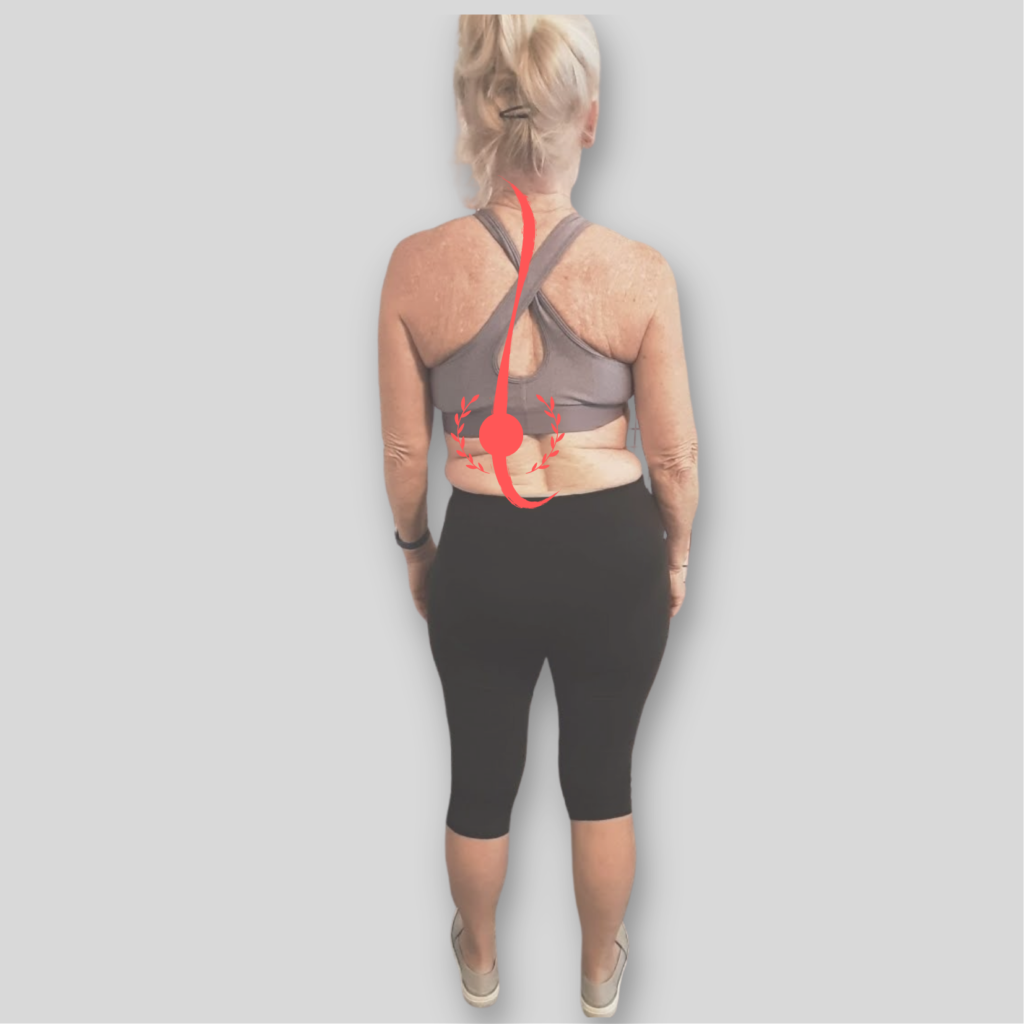
IDIOPATHIC SCOLIOSIS FROM ADOLESCETS
Adults with idiopathic scoliosis are living with a spinal curve that began during adolescence and continued into adulthood. Most commonly, the curve bends to the right in the thoracic spine (rib cage area) and to the left in the lumbar spine (lower back).
Research shows that scoliosis curves under 30° at skeletal maturity (end of adolescent growth) generally do not progress significantly. However, curves greater than 30° may continue to progress into adulthood, advancing on average 0.5° to 2° per year. This gradual change can lead to increased pain, stiffness, and postural imbalances over time.
Common signs and symptoms of adult idiopathic scoliosis include:
Chronic low back pain and stiffness
Neck or shoulder pain
Hip discomfort
Numbness, cramping, or shooting pain in the legs
Muscle fatigue and loss of endurance
ADULT DEGENERATIVE SCOLIOSIS
Degenerative scoliosis, also known as adult-onset scoliosis, develops later in life as a result of spinal changes such as disc degeneration, osteoporosis, arthritis, or age-related wear and tear. Unlike idiopathic scoliosis, which begins in adolescence, degenerative scoliosis typically affects the lumbar spine (lower back) and is often associated with a gradual loss of the spine’s natural lumbar lordosis curve.
This condition tends to progress unpredictably and may continue to worsen with age. As the spine weakens and shifts, it can create imbalances that lead to chronic discomfort and mobility limitations.
Common symptoms of degenerative scoliosis include:
Persistent low back pain
Hip pain or stiffness
Shoulder discomfort
Numbness or tingling sensations
Radiating pain into one or both legs
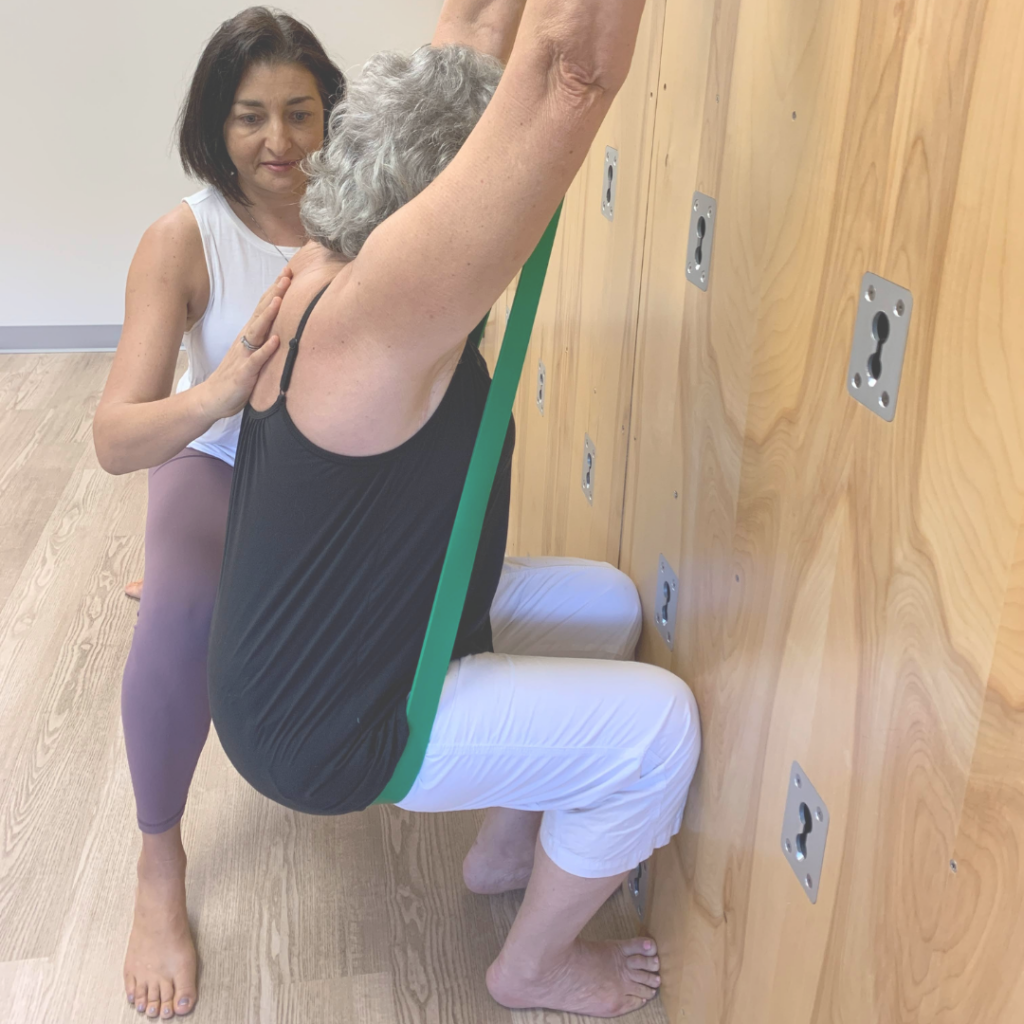
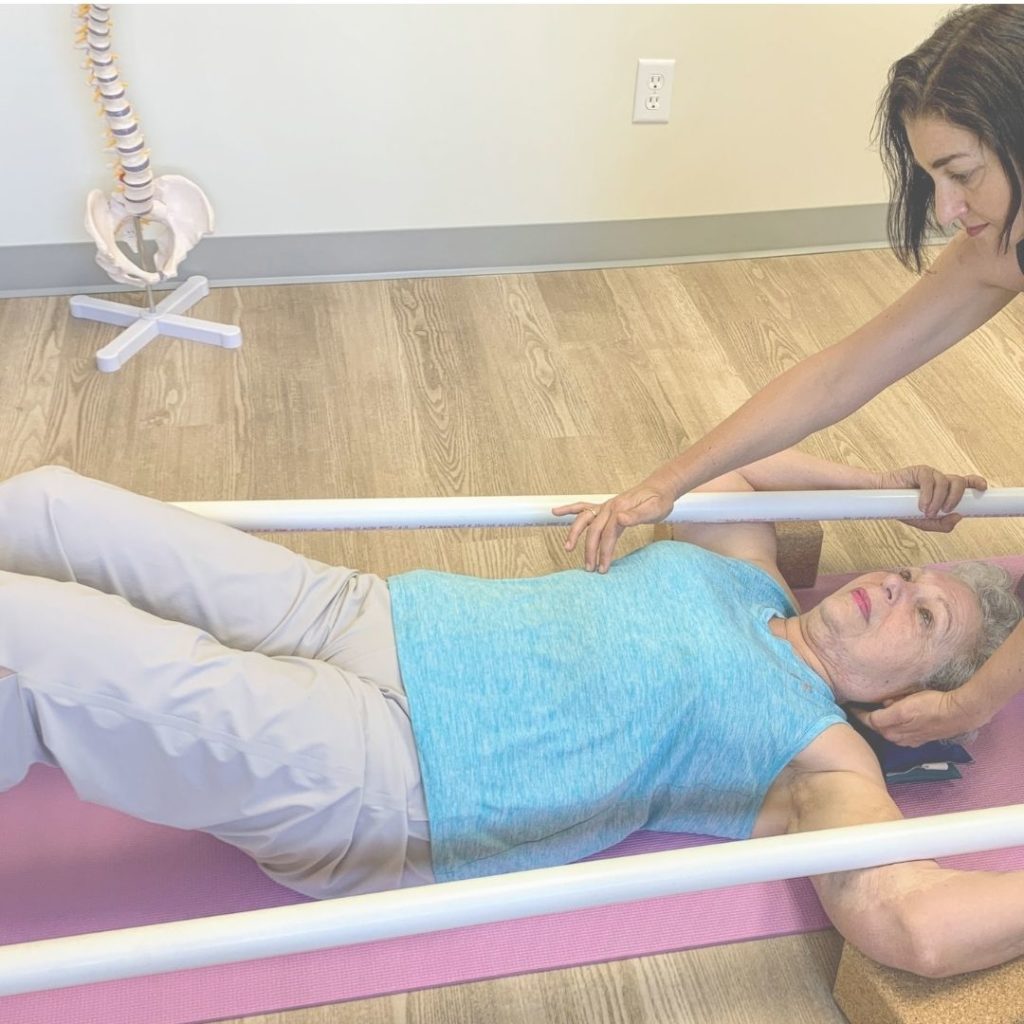
OUR APPROACH
At Scoliosis PT Jax, we specialize in adult scoliosis treatment using the Schroth Method—the leading non-surgical approach proven to stabilize spinal curves, slow progression, and relieve pain, stiffness, and discomfort. Each program is tailored to the individual, focusing on specific exercises that improve posture, restore muscular balance, and enhance spinal alignment.
To further support long-term strength and mobility, we integrate Pilates-based therapies including the reformer, Pilates chair, and CoreAlign. These complementary techniques build core strength, increase flexibility, and promote spinal stability. By combining the Schroth Method with Pilates, we deliver a comprehensive and individualized treatment plan designed to improve posture, reduce pain, and enhance overall quality of life.