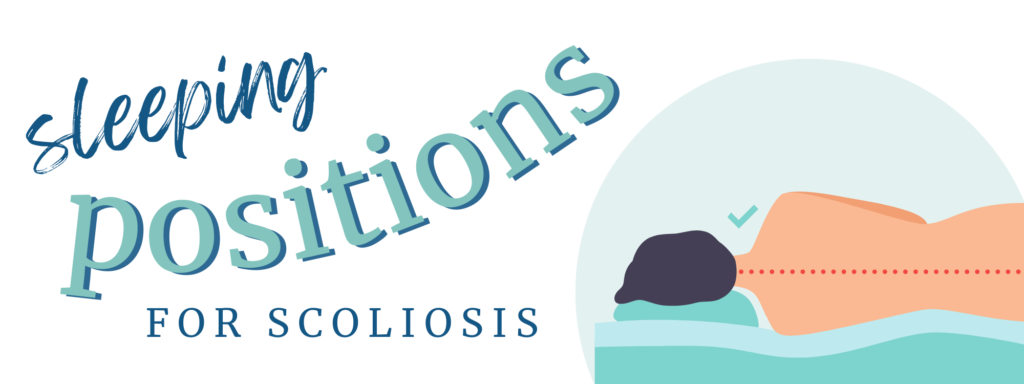
BEST SLEEPING POSITION FOR SCOLIOSIS
o you struggle with restless nights, morning stiffness, or nagging back pain? Living with scoliosis can make these challenges worse. The condition often leads to disrupted sleep and nightly discomfort. Many people with scoliosis—or even those with general back pain—wake up sore and fatigued.
Scoliosis affects more than posture. It also impacts daily activities. Simple tasks like cooking, cleaning, laundry, yard work, or even hobbies can feel difficult when pain and stiffness get in the way.
During the day, there are proven exercise approaches. The Schroth Method and certain Pilates exercises for scoliosis can strengthen the spine and improve alignment. But what about at night? Could your sleeping posture be helping your scoliosis—or making the curve worse?

The average person sleeps 7–9 hours a night. That adds up to over 3,000 hours—or nearly 125 days—a year in bed. Now, imagine using that time to help stabilize your scoliosis spine simply by adjusting your sleeping position.
When we think about posture, we usually associate it with sitting or standing. However, sleep posture matters too. Poor sleeping positions—such as being twisted, rotated, or curled up—can place extra strain on the spine. For individuals with scoliosis, this can increase rotational forces and even worsen the curve.
Because people with scoliosis already deal with higher tension loads on their spine, sleeping posture makes a big difference. The right position can reduce pressure, ease nighttime pain, and lower the risk of curve progression.
Up next, we’ll explore the best scoliosis sleeping positions and how to use pillows and props to support better alignment throughout the night.
ARE YOU A STOMACH SLEEPERS?
Let’s start with stomach sleeping. This is the worst sleeping position for scoliosis. When lying on your stomach, the head almost always has to turn to the side at a 45-degree angle or more. This creates twisting in the neck, mid-back, and low back.
For people with scoliosis, this twisting is harmful. It increases rotation in the spine, adds stress to weak areas, and may worsen discomfort over time. In short, sleeping on your stomach leaves the spine—from the neck to the pelvis—twisted and strained.
Still, some people find this position most comfortable. In that case, placing a pillow under the hips can help. This brings the pelvis into a more neutral position, reducing the pull in the lower back. While not ideal, this modification makes stomach sleeping with scoliosis a little less damaging.
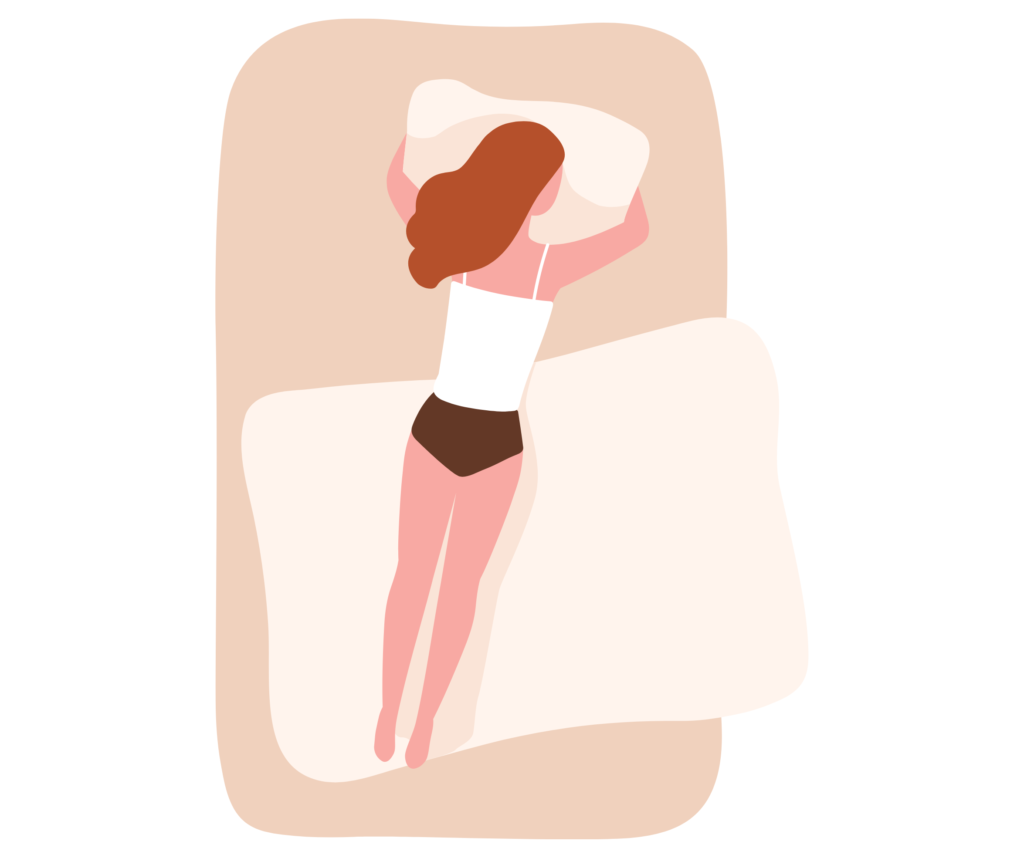
To begin with, we will talk about stomach sleepers. This is probably the most undesirable way to sleep with a scoliosis curve. Almost always, when in this position, a person must prop their head to the side in at least a 45-degree angle. This increases the rotation or twisting component of the spine. This twisting is exactly what people with scoliosis are trying their best to avoid. With the head turned, it causes a twisting in the neck, and actually creates a whole rotation through the entire thoracic and lumbar (midback and low back) areas as well. This in turn, increases the stresses placed through the spine while sleeping. So, in other words, while sleeping on your stomach, your spine from the neck all the way down to your low back can be twisted to compensate for your head turned to the side. This is not good for the scoliosis spine. For a person who finds this position most comfortable however, placing a pillow underneath the hips can bring the pelvis in to a more neutral position and decrease the amount of extension throughout the back, especially in the low back area. Another trick as a stomach sleeper is to place your forehead on top of your hands to take the rotation out of the neck and improve overall alignment of the spine.
ARE YOU A BACK SLEEPER?
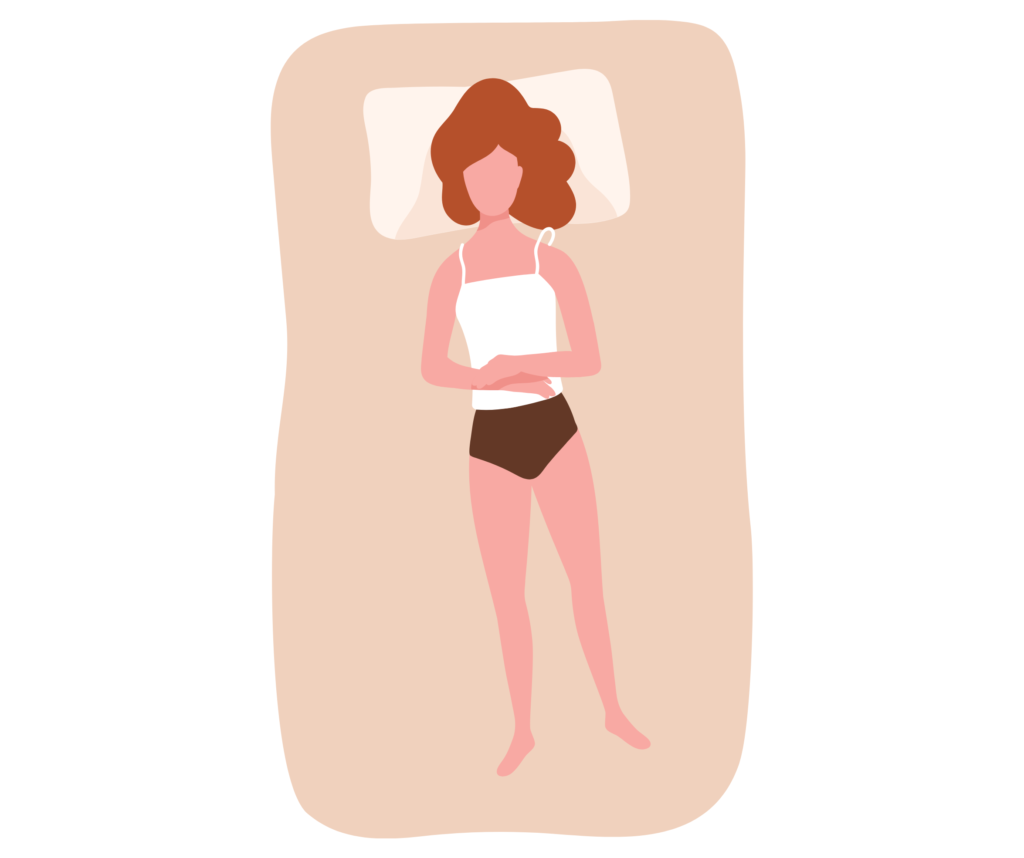
A more supportive option than stomach sleeping is sleeping on your back. In this position, the spine is fully supported and stays in a neutral alignment without twists or compensations.
Your pillow choice is key. Use one that doesn’t push the neck into too much flexion (forward bending). It’s also important to limit side-to-side neck rotation. A pillow that keeps your head neutral and supported will reduce strain and improve sleep quality.
If lying flat causes low back discomfort, place a pillow under the knees. This slightly bent-knee position neutralizes the pelvis, reduces pull on the lower back, and makes it easier to stay comfortable.
Back sleeping with proper support creates an elongated spine from the neck to the pelvis. It decreases spinal tension, relaxes tight muscles, and supports deeper rest. For people with scoliosis, it may be one of the best sleeping positions to reduce pain and protect alignment.
ARE YOU A SIDE SLEEPERS?
Many people prefer side sleeping, and the good news is that this can be an excellent position for individuals with scoliosis. However, it does require a little more planning to achieve the ideal setup. With the right adjustments—and a few extra pillows—you can create a side sleeping position that supports your spine and reduces strain.
The first step is to understand your unique scoliosis curve. Do you have a C-curve or an S-curve? Which direction are your hips shifting? What is your primary curve, and on which side is your spinal prominence? Knowing these details will help you determine how to position your body and where to place pillows for the most support.
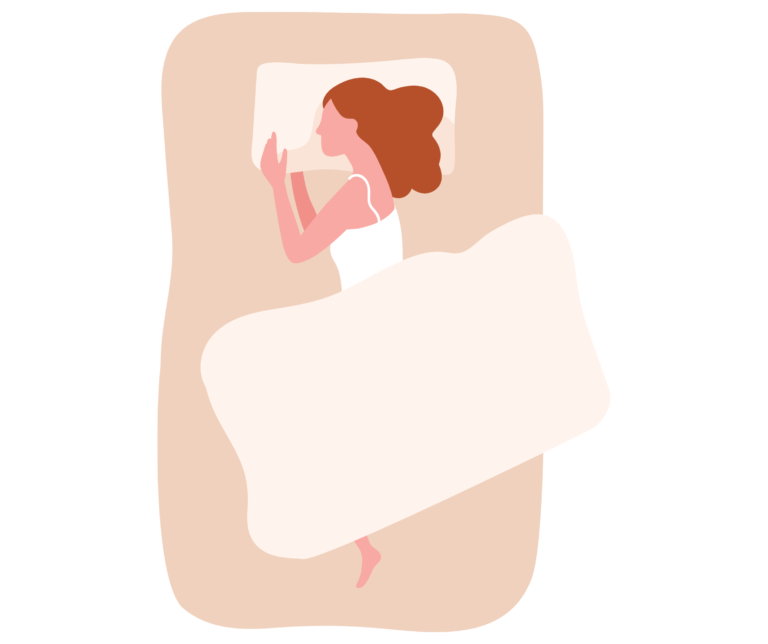
Many of us are side sleepers and this can be a great position for a person with scoliosis. It is a little more complicated to figure out the ideal position, and it will take a couple extra pillows, but with a little work you can figure it out. For side lying you must first understand your curve, do you have a C or S shape? Which way are your hips going, which is your main curve, which side is your prominence?
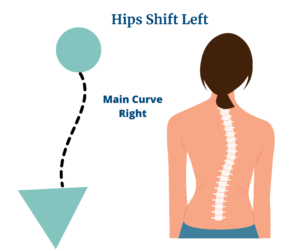
In side lying the aim for the ideal position is to help bring the spine into a “straighter” alignment and let gravity help. For each person and spine this could be a little different, but here are a few ideal positions. For example, a person with a main right thoracic curve might notice that their hips shift to the left.
In this case they would ideally sleep on their left side. By lying on the left side they bring their hips into the middle of the body and throughout the night gravity can allow the top curve to come into neutral.
A person should check in with their hips and shoulders to make sure they are properly stacked on top of each other and that they don’t have one that is rotated forward or back. You can place a pillow between your knees and underneath your top arm to make this position more comfortable. Now, for who have the right upper curve and don’t like sleeping on their left side, we have a solution for you too. While on your right side, placing a small towel roll or cushion underneath your top curve to help to push your spine towards a more neutral position and decrease the effects of gravity.
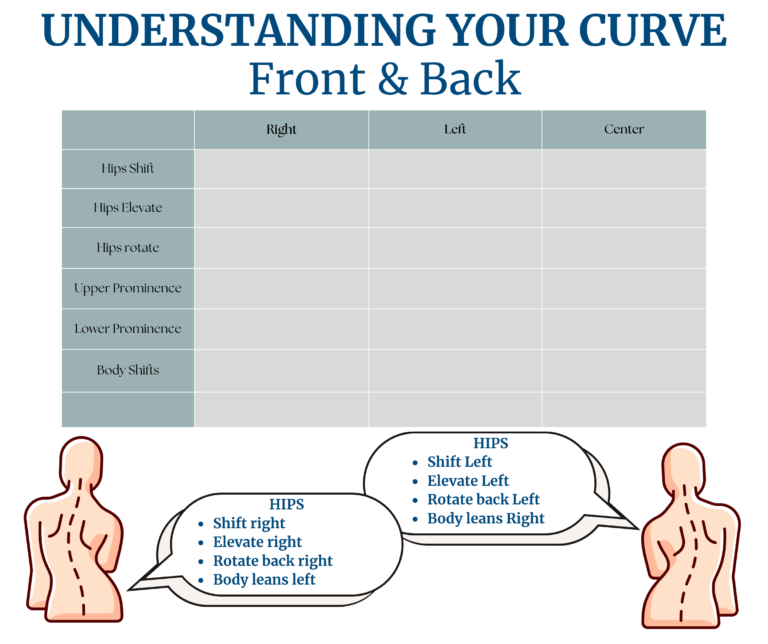
Overall, your comfortability is what matters. Using some of these tips and tricks can help to give you some relieve and decrease the negative effects of gravity on your curve. Be sure to check out our YouTube video to get a better understanding on how to effectively position yourself while sleeping!
For more information on “best sleeping tips” watch the rest of these videos and if you still need more information contact us.