What Is Pilates?
The benefits of Pilates start with its versatility as an exercise you can perform on a mat or with specialized equipment. Pilates is low-impact and focuses on strengthening the core while working the entire body.
One of the benefits of Pilates is that it builds strength, flexibility, and balance without putting stress on the joints. Because of this, Pilates is popular with athletes, performers, and people of all fitness levels. Pilates supports injury prevention, rehabilitation, improved body awareness, and general fitness.
Research continues to support the benefits of Pilates, showing improvements in core strength, posture, movement, and overall physical function. These findings help explain why Pilates continues to grow in popularity and why so many people choose it as part of a healthy lifestyle.

There is no question that many of us are living hectic lives. With our busy lifestyle, self-care is more important than ever. An exercise routine including Pilates practice allows us to take time out and focus on ourselves and our bodies. This mind-body connection can go a long way in reducing stress levels. Studies have shown that pilates can lead to better sleep and stress reduction (7). For those moms that have recently had a baby and are feeling sleep deprived there is hope. Pilates has been shown to improve the quality of sleep for postpartum moms (8).
We all know that you are a better mom and feel better about yourself when you are rested.
So grab another mom friend and give pilates a try.

In addition to our busy stressful lifestyle, we are also a more sedentary society. We sit too much, for long period at a time, and don’t move nearly as much as we should. This can lead to many health complications including decreased bone density and osteoporosis. For some women, decreased bone mineral density and osteoporosis are direct consequences of menopause.
Lower bone density is a risk for fractures and pain.
The medication to increase bone density can have difficult side effects. Exercise and diet could be an alternative to medications for individuals with lower bone density. Studies have shown that Pilates can be effective in increasing bone density and relieving pain (9).

Pilates helps balance muscles and creates an evenly conditioned body.
Weak, loose, or overly tight muscles increase the risk of injury. Pilates addresses this issue by strengthening muscles in a low-impact, controlled way that improves support and stability for both muscles and joints. While Pilates places strong emphasis on the core, it engages every muscle group from the feet to the upper neck, creating a true full-body workout.
Because Pilates activates all muscles without leaving gaps, it delivers balanced strength and coordination throughout the body. Research reviews from a Brazilian study group show that Pilates effectively supports injury prevention. Many professional athletes and trainers now use Pilates as part of sports training programs. Olympians, dancers, gymnasts, and tennis players rely on Pilates to build strength, improve stability, and reduce injury risk in their sport.

A study published by the NIH found that Pilates reduces low back pain (1). Pilates emphasizes controlled movement. The exercises target deep core muscles, including the pelvic floor and diaphragm. Pilates teaches you how to tighten and relax these muscles with intention. This control improves spinal stability and supports a healthier back.
Wells et al. reviewed 14 randomized controlled trials on back pain and Pilates from 2005 to 2014. Their analysis showed that Pilates improves pain levels and functional ability more than usual care and general physical activity (2).
Pilates exercises for back pain do not need to be complicated. You can grab a mat, a band, and get started. (Always consult a health professional before starting a new exercise program)

“A MAN IS AS YOUNG AS HIS SPINAL COLUMN” – Joseph Pilates
Pilates exercises work on strengthening and stretching muscles with a focus on the core including the lower abdominals, pelvic floor, and back muscles. The exercises work on several muscle groups together in a smooth movement and teach alignment to support the spine in an upright position. When muscles are balanced, strong, and long, you are able to stand up straight and taller with better posture (3)

When you exercise, your body releases endorphins, a natural hormone that improves mood.
Researchers studied the effects of Pilates on mood, they found that Pilates can reduce anxiety, reduce fatigue, reduce depression and reduce negative thought patterns.
(11) In one study, they specifically looked at the moods and behaviors of young men, and they found the same results: Pilates improved the mood state response of the young men. (10)

In conclusion, Pilates exercises are appropriate for everyone.
Pilates movements stay low-impact. They protect the joints. Instructors can easily adjust the exercises. These adjustments meet both fitness and rehabilitation needs.
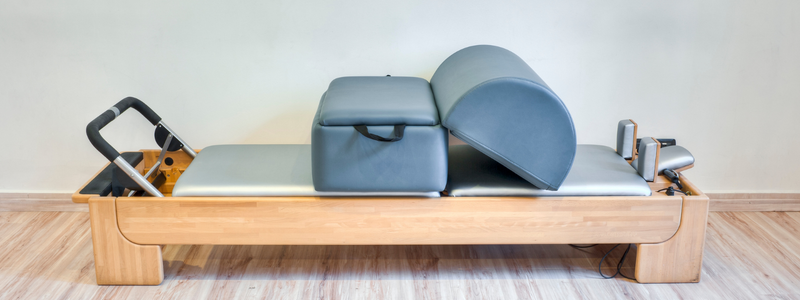
People can practice Pilates on a mat. Many prefer the reformer. The reformer ranks as one of the most popular Pilates equipment options. It uses springs and pulleys. The springs change resistance levels.
Beginners benefit from the reformer. It helps modify many mat exercises. The reformer also supports rehabilitation and injury prevention. Research shows Pilates equipment may improve injury recovery more than mat exercises (12).
Fitness enthusiasts also benefit. The reformer increases challenge as strength improves. It helps build muscle strength. It also improves endurance.
Pilates challenges you at any age and fitness level. It works for all body types and physical abilities. Pilates provides a safe and effective workout..
I personally love pilates. The benefits are undeniable and it’s a FUN workout. Have you tried pilates?