Strength Training with Scoliosis: What the Research Says | Scoliosis PT Jax
Scoliosis affects about 2–3% of the population. That means millions of people live with some degree of spinal curvature.
In our clinic, we treat hundreds of people with scoliosis, and we find that most people know about bracing, surgery, and physical therapy. But what about strength training for Scoliosis? Can lifting weights actually help?
The answer is yes — but only with the right approach.
Two studies looked specifically at how exercise affects the muscles surrounding the spine. Schmidt et al. (2010) and He et al. (2022) both found that strength training can be a powerful tool for scoliosis management.
Here’s what they discovered — and how you can use it.
The Importance of Strength Training for Scoliosis
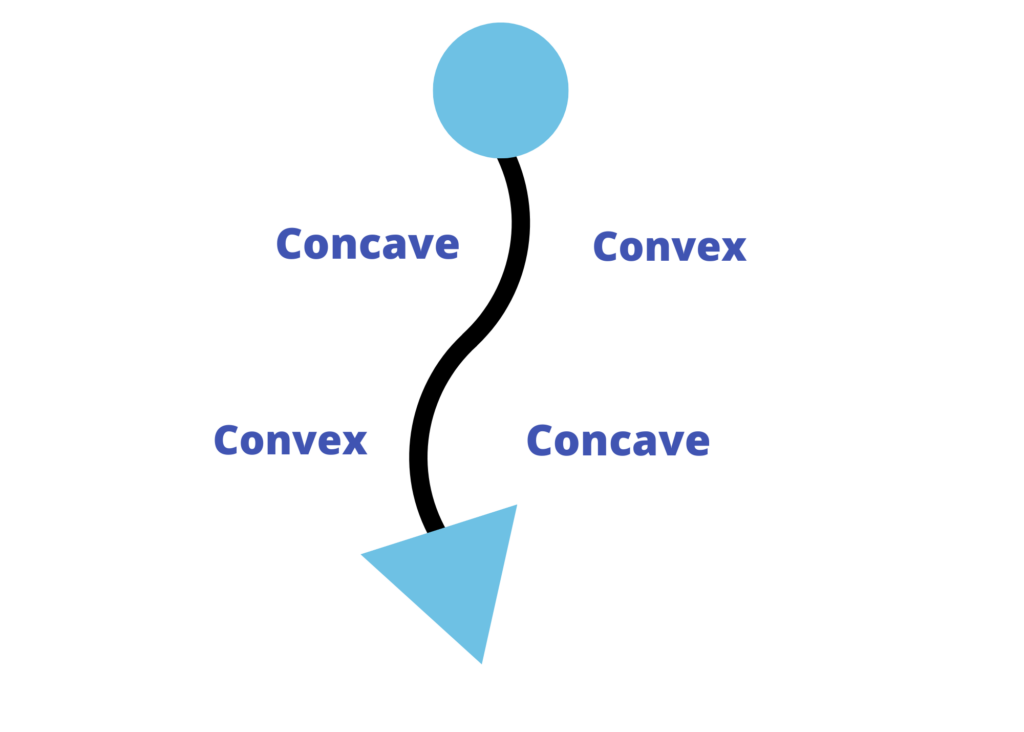
When someone has scoliosis, the muscles on each side of the spine work differently. A pattern I see often in my practice is a right thoracic curve where the left paraspinals are underactive compared to the right. The convex side (the side that curves outward) tends to be overactive. The concave side (the side that curves inward) is usually weaker.
Over time, this muscle imbalance can lead to poor posture, discomfort, and in some cases, a worsening curve. [Learn more with the SOSORT guidelines
For this reason scoliosis strength training is so important. The right exercises can improve core stability, reduce strain, and support better movement every day.
Why Asymmetrical Training Helps
Schmidt et al. (2010) found that strength training for scoliosis isn’t just about getting stronger. It’s about training smarter.
The goal is to lengthen and strengthen specific sides of the body. This helps stabilize the spine and may even help de-rotate the curve.
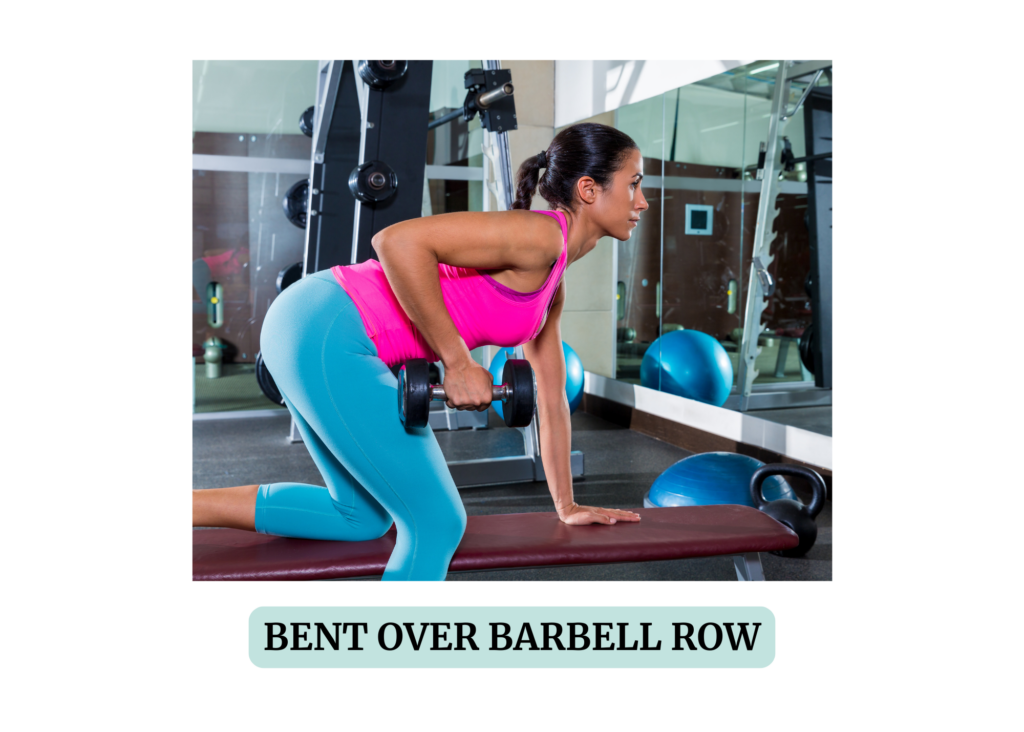
The researchers found that asymmetrical exercises worked best. These are movements where one side of the body works harder than the other. Exercises like the single-arm row helped activate the weaker, concave side of the spine. This improved muscle balance and posture.
Symmetrical exercises — where both sides work equally — didn’t correct imbalances as well. But they still help with general strength and spinal stability.
The takeaway: if you have scoliosis, prioritize exercises that challenge one side at a time. This is one of the best ways to restore balance and support your spine long term.
How Schroth Exercises Make a Difference
While weight training focuses on strengthening muscles, the Schroth Method takes a different approach. He et al. (2022) investigated the effect of Schroth exercises on muscle activity in patients with scoliosis. Their findings showed that these exercises can help train the muscles to work more evenly:
- Asymmetrical Schroth exercises increased expansion on the concave side of the curve.
- Symmetrical Schroth exercises helped elongate and lengthen the curve.
- Weight-bearing exercises (like standing and balance-based movements) activate both sides of the spine at the same time, making them great for overall strength.
Combining asymmetrical strength training with Schroth exercises may be the most effective way to improve muscle balance and support your spine.
How This Can Help You
1. Begin by understanding your curve and incorporate Schroth Exercises
Understanding how your spine rotates in a three-dimensional way is essential, from front to back and side to side. Before lifting weights, you should find your best posture. This means bring
1. Elongate
3. Expand into your concave sides
The Schroth exercises are designed specifically for scoliosis and can help you achieve 1, 2 &3 to enhance the benefits of strength training.
2. Use Asymmetrical Strength Training to Balance your muscles
Adding Try Exercises like
1. One arm dumbbell row
2. Single arm overhead press
These movements help to activate the over-lengthened muscles of the concave side and promote better balance of the ribcage.
If you’re used to doing exercises with both sides simultaneously, try switching to one side at a time.
3. Don’t Skip Weight-Bearing Exercises
Movements like squats, deadlifts, and lunges engage both sides of the spine and improve overall strength. However, proper form is crucial—without it, you might end up reinforcing the imbalances you’re trying to fix.
We always suggest finding your best 3-dimensional posture with hips aligned, elongation, and expansion into your collapsed areas. Then begin the weight-bearing exercise.
How to Get Started
If you’re ready to start strength training with scoliosis, here’s a step-by-step plan:
- Get Assessed: A scoliosis-focused physical therapist can help determine your muscle imbalances and create a workout plan.
- Try Asymmetrical Strength Training: Focus on exercises that activate your spine’s weaker side.
- Incorporate Schroth Therapy: These exercises improve posture and muscle control.
- Build Core Strength: Core stability is key. Exercises like planks, bird dogs, and dead bugs can help.
- Use Proper Form: Good technique is essential to avoid stressing your spine.
Track Your Progress: Regular assessments or EMG testing (if available) can help measure improvements over time.
Final Thoughts
Strength training can help with scoliosis, but it has to be done right.
The key is to target the weaker muscles, restore balance, and combine it with posture-based exercise. Research shows that asymmetrical strength training, Schroth exercises, and weight-bearing movements work best together.
Bibliography
References
- He, L., Zhang, X., Zhou, Y., Li, J., & Zhu, Z. (2022). How do Paraspinal Muscles Contract during the Schroth Exercise Treatment in Patients with Adolescent Idiopathic Scoliosis (AIS)? European Spine Journal, 31(7), 1732-1742. https://pubmed.ncbi.nlm.nih.gov/35735477/
- Schmidt, H., Heitz, A., Rapp, W., Schilling, N., & Wilke, H. J. (2010). Paraspinal muscle activity during symmetrical and asymmetrical weight training in idiopathic scoliosis. Clinical Biomechanics, 25(10), 1027-1032. https://pubmed.ncbi.nlm.nih.gov/20811080/